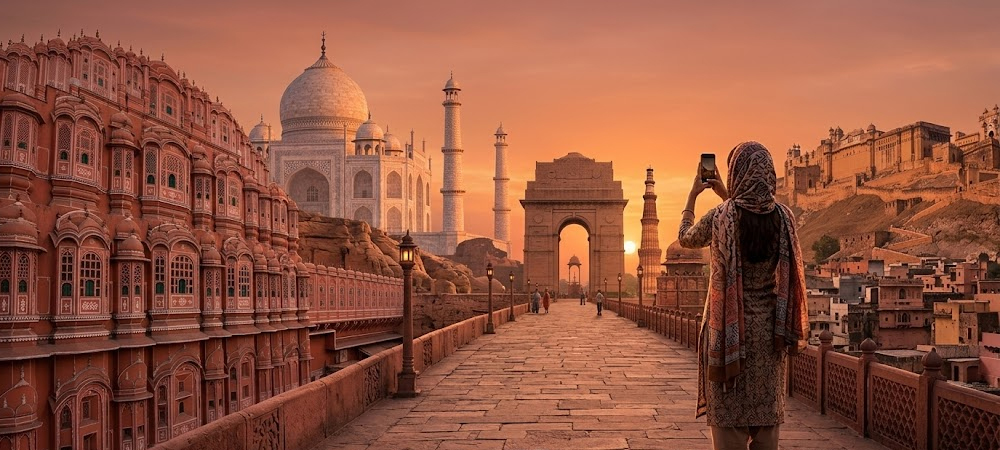
10 Best Places to Visit in India for First-Time Travelers (Complete Travel Guide 2026)
So, you're going to India.
Take a deep breath. Planning a trip here for the very first time feels a lot like trying to assemble a 10,000-piece jigsaw puzzle without the picture on the box. It’s loud, it’s massive, and everyone you talk to has a completely different opinion on where you absolutely must go.
I get it. The sheer scale of the country is intimidating. You've got the snowy Himalayas up north, tropical beaches down south, and a mind-bending amount of history packed in between. If you try to see it all in a two-week trip, you won't see anything. You'll just spend your entire vacation looking out the window of a train or waiting in airport security lines. Trust me, travel burnout here is real.
That’s exactly why I put this 2026 guide together. I’ve filtered out the noise and narrowed it down to the top 10 places that actually make sense for a first-timer. These spots offer that sweet spot: enough of the classic "India" experience to blow your mind, but enough infrastructure so you don't feel entirely overwhelmed.
Pro Tip: If you're feeling incredibly stressed about booking domestic trains, hiring drivers, and coordinating hotels, you don't have to wing it. Consider letting local experts handle the logistics. I highly recommend checking out Explore India Private Tours to build a customized, low-stress itinerary so you can actually enjoy your vacation instead of micromanaging it.
The "Golden Triangle" - Your Starting Line
If there's a starter pack for India, this is it. Delhi, Agra, and Jaipur form a neat little triangle on the map. They are relatively close to each other, well-connected, and pack the biggest historical punch per square mile.
1. New Delhi: Beautiful Chaos
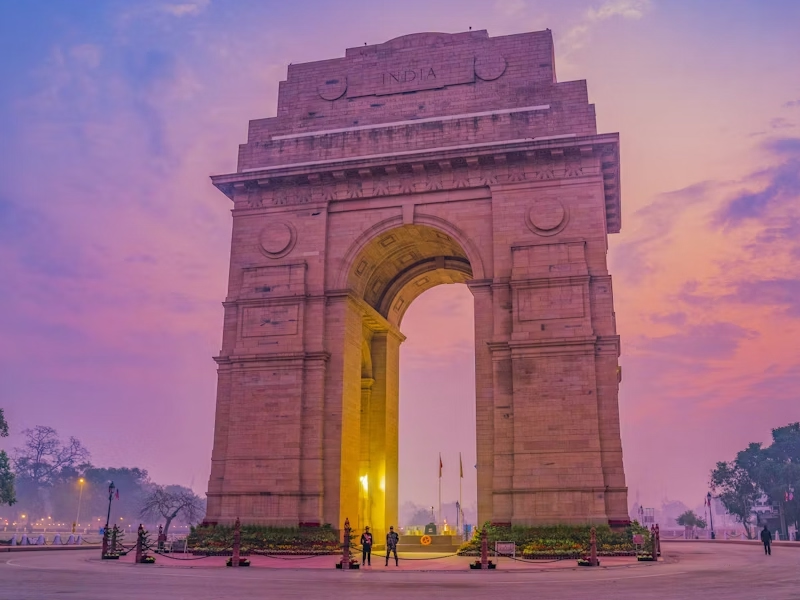 The India Gate stands as a massive monument in the heart of the capital.
You’re probably flying into Indira Gandhi International Airport anyway, so Delhi is ground zero. A lot of travelers try to get out of Delhi as fast as possible. Don't make that mistake. Yes, the traffic is legendary, and yes, the summer heat will melt your shoes to the pavement. But the city is a fascinating clash of eras.
Spend a morning wandering through the narrow, chaotic lanes of Old Delhi. Hire a rickshaw to navigate Chandni Chowk, smell the spices flying through the air, and gaze up at the massive Jama Masjid. Then, take the modern, heavily air-conditioned Metro down to New Delhi to see the wide, tree-lined boulevards designed by the British, the towering Qutub Minar, and Humayun’s Tomb (which basically served as the rough draft for the Taj Mahal).
First-Timer Survival Tip for Delhi:
Don't try to cram eight monuments into one day. Pick two. Spend the rest of your time eating. The street food is incredible, but if you're worried about your stomach, stick to reputable spots like Haldiram's or high-end restaurants in Connaught Place to ease your gut into the local cuisine.
2. Agra: Yes, It's All About the Taj
Let’s be honest. You are going to Agra for exactly one reason, and that’s perfectly fine. The Taj Mahal isn't overhyped. It's one of the few places on earth that actually looks better in person than it does on Instagram.
Agra itself is a gritty, busy industrial town. You don't need to spend a week here. A solid overnight stay is plenty. Get up before the sun. I mean it. Set your alarm for 4:30 AM. Be at the gates when they open. Watching the sunrise hit the white marble while the crowds are still manageable is a core memory you won't forget. Once you've taken your photos, head over to the Agra Fort—a massive red sandstone fortress that offers incredible views of the Taj from a distance.
3. Jaipur: The Pink City
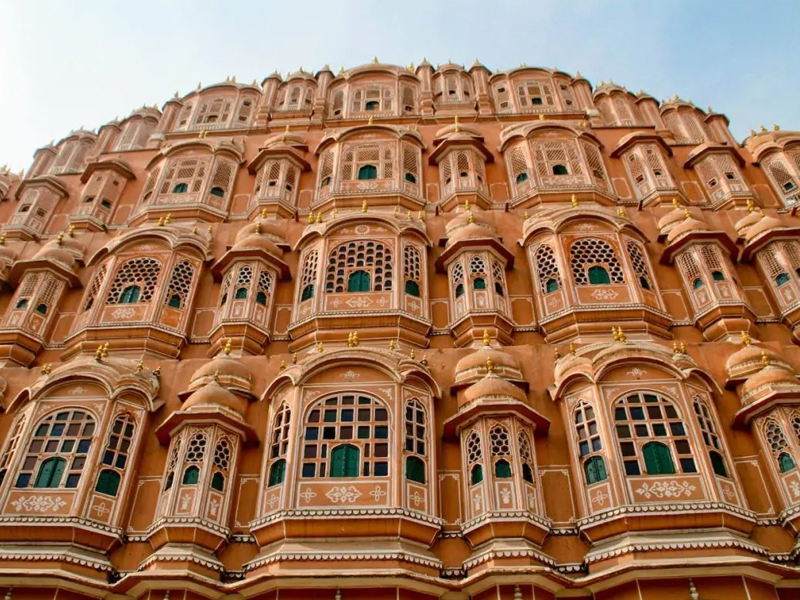 The intricate façade of the Hawa Mahal in Jaipur.
The final stop on the Golden Triangle is your gateway to the desert state of Rajasthan. In 1876, the local ruler painted the whole city pink to welcome Queen Victoria's husband, Prince Albert. They just kept the color going.
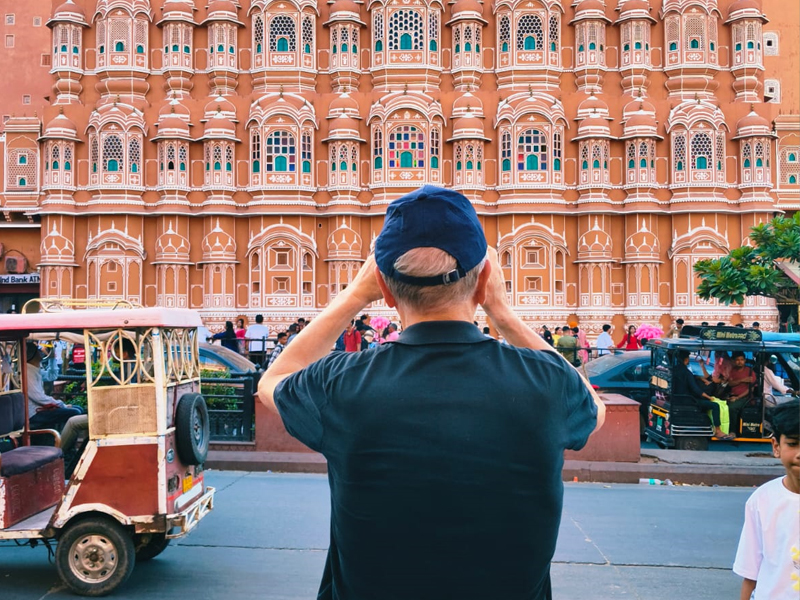
Jaipur feels regal. You'll see camels pulling carts alongside modern SUVs. The massive Amber Fort, located just outside the city on a rugged hill, is the main event. Skip the elephant rides at the fort (for ethical reasons) and hike up or take a jeep instead. Make sure you stop by the Hawa Mahal (Palace of Winds). It’s essentially a giant, beautiful, five-story screen of pink sandstone built so the royal women could watch street festivals without being seen.
Heading Deeper: Rajasthan & The West
Once you’ve got your bearings in the Golden Triangle, it’s time to stretch your legs a bit.
4. Udaipur: The City of Lakes
If Delhi is high-energy, Udaipur is where you go to exhale. Often called the Venice of the East, this city is wrapped around a series of artificial lakes, the most famous being Lake Pichola.
Udaipur is deeply romantic and significantly calmer than the big northern cities. At the center of the lake sits the Taj Lake Palace, a white marble hotel that looks like it's floating on the water (you might recognize it from the James Bond movie Octopussy). Even if you don't stay there, taking a sunset boat ride on the lake while looking back at the massive City Palace on the shore is absolute magic. Spend your days here wandering the winding streets, shopping for miniature paintings, and drinking chai on rooftop cafes.
5. Mumbai: Bollywood and Colonial Grandeur
Mumbai (formerly Bombay) is India’s financial powerhouse. It's New York City on steroids. It's where extreme wealth and extreme poverty exist right next to each other.
For a first-timer, stick to South Mumbai (Colaba). It’s highly walkable, packed with stunning Gothic and Victorian architecture left over from the British Raj, and home to the iconic Gateway of India. Grab a beer at the legendary Leopold Cafe, walk along the Marine Drive promenade at sunset (locals call it the Queen's Necklace because of the curved line of streetlights), and just soak in the electric energy. It's crowded, sure, but Mumbai has a very different, highly cosmopolitan vibe compared to the north.
The Spiritual North
6. Rishikesh: Yoga, Ashrams, and the Ganges
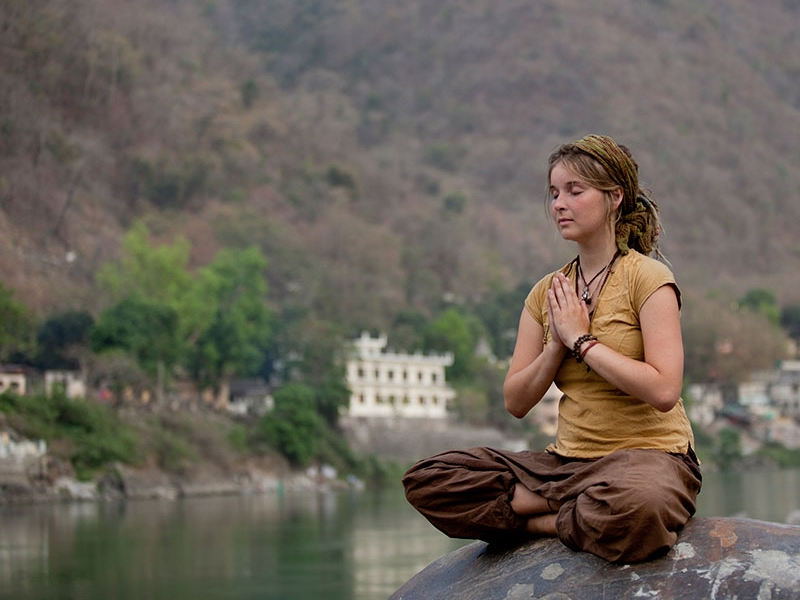 The clean, fast-flowing waters of the Ganges in Rishikesh.
If you're craving some nature and spirituality without the intense crowds, head to the foothills of the Himalayas. Rishikesh became world-famous in the late 1960s when The Beatles showed up at an ashram here to meditate and write songs. Today, it is the undisputed yoga capital of the world.
The Ganges River is actually clean and green up here, cutting through deep, forested valleys. It's a fantastic place to just chill out. You can spend your days dropping into yoga classes, eating at healthy vegetarian cafes, or—if you want an adrenaline rush—going white-water rafting. Every evening at sunset, head down to the riverbanks for the Ganga Aarti, a beautiful fire ritual involving chanting, music, and floating lamps on the water.
7. Varanasi: The Deep End of the Pool
I debated putting Varanasi on a list for first-time travelers. I need to be completely straight with you: Varanasi is intense. It is loud, dirty, chaotic, and entirely unapologetic. It is one of the oldest continuously inhabited cities on earth.
For Hindus, dying in Varanasi or having your ashes scattered in the Ganges here breaks the cycle of rebirth. Because of this, the city revolves entirely around life and death. You will see public cremations happening 24/7 on the riverbanks (the Ghats). It can be shocking. But if you can handle the sensory overload, taking a silent sunrise rowboat ride along the Ganges as the morning fog lifts is profoundly moving. It’s the rawest, most unfiltered look at Indian spirituality you can get. Just mentally prepare yourself before you step off the train.
The Tropical South
Southern India feels like a completely different country. The languages change, the food shifts from wheat and heavy curries to rice and coconut, and the pace of life drops significantly. If the north stresses you out, the south will heal you.
8. Kochi (Cochin): History and Spice
Located in the state of Kerala, Kochi is a sleepy, tropical port town that has been trading spices with the world for over 600 years. The historical neighborhood of Fort Kochi is the place to base yourself.
You can walk down streets lined with old Portuguese houses, a Jewish synagogue, Dutch palaces, and the famous Chinese fishing nets that hang over the water like massive wooden spiders. The food here is incredible—think fresh seafood cooked in coconut milk and curry leaves. It’s laid-back, artsy, and very easy to navigate for beginners.
9. The Kerala Backwaters (Alleppey)
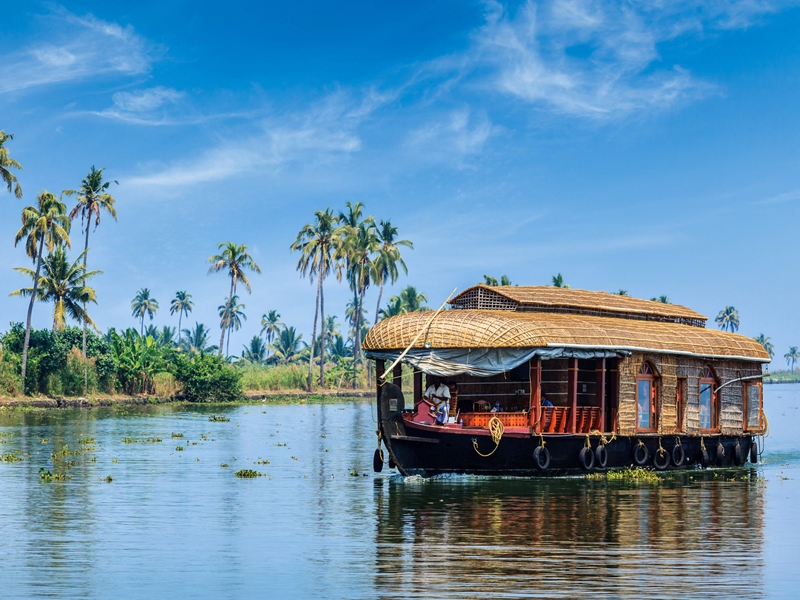 Cruising the tranquil palm-fringed backwaters of Kerala on a traditional houseboat.
Just a short drive south from Kochi are the backwaters. This is a massive, interconnected network of lagoons, lakes, and canals running parallel to the Arabian Sea. It’s lush, green, and incredibly quiet.
The classic move here is to rent a traditional thatched-roof houseboat for a night or two. They come with a captain and a personal chef. You literally do nothing but sit on the deck, watch local village life slowly pass by on the riverbanks, drink cold Kingfisher beers, and eat amazing food. It is the ultimate reset button for travel fatigue.
10. Goa: Beaches and Portuguese Charm
Goa is India’s vacation state. Most people picture massive trance parties when they hear "Goa," and while you can certainly find that in the north (like Anjuna or Baga), there is so much more to it.
If you want a relaxing beach holiday, head down to South Goa (places like Palolem or Agonda). The beaches are pristine, the shacks serve up brilliant prawn curries, and time pretty much stands still. Inland, you can rent a scooter and drive through thick palm forests to explore crumbling 16th-century Portuguese churches. Goa is the easiest, softest landing pad in India. If you're nervous about the trip, starting your journey here isn't a bad idea.
Quick Reference: Where to go and When
Planning your route? Here's a handy breakdown of the places we just talked about. Keep in mind that summer in India (April to June) is punishingly hot, and the monsoon (July to September) washes out a lot of plans. The sweet spot for travel is almost always winter.
| Destination | The Vibe | Ideal Time Needed | Best Months to Visit |
|---|---|---|---|
| New Delhi | Historical, chaotic, foodie paradise | 2 - 3 Days | October to March |
| Agra | Iconic, crowded, essential | 1 - 2 Days | October to March |
| Jaipur | Regal, colorful, architectural | 2 - 3 Days | October to March |
| Udaipur | Romantic, relaxed, scenic | 3 Days | September to March |
| Mumbai | Cosmopolitan, fast-paced, coastal | 3 - 4 Days | November to February |
| Rishikesh | Spiritual, adventurous, chill | 3 - 5 Days | September to April |
| Varanasi | Intense, profound, ancient | 2 Days | October to March |
| Kochi | Historical, artistic, tropical | 2 - 3 Days | December to March |
| Kerala Backwaters | Peaceful, luxurious, slow | 1 - 2 Days | December to March |
| Goa | Beachy, relaxed, Portuguese flavor | 4+ Days | November to February |
A Final Piece of Advice
India isn't just a place you visit; it's a place you experience. Sometimes trains run late. Sometimes the power goes out for an hour. Sometimes a cow blocks traffic on a major highway for twenty minutes. You can't control it, so don't waste energy getting mad at it. Roll with the punches, keep your sense of humor, drink bottled water, and lean into the chaos.
If you're ready to start building an actual itinerary and want to guarantee a smooth, safe ride, reach out to the folks at Explore India Private Tours. Having a trusted local driver and guide in your corner turns an intimidating trip into an unforgettable adventure.
Pack your bags. You're going to have the time of your life.